
|
|
||||||||||||||||||


| 2026-2027 Electoral Calendar, latest official version |

|
 |
|
|
|
|
|
|
|||||
|
|
Haiti - FLASH : Traveler alert, extreme recommendations 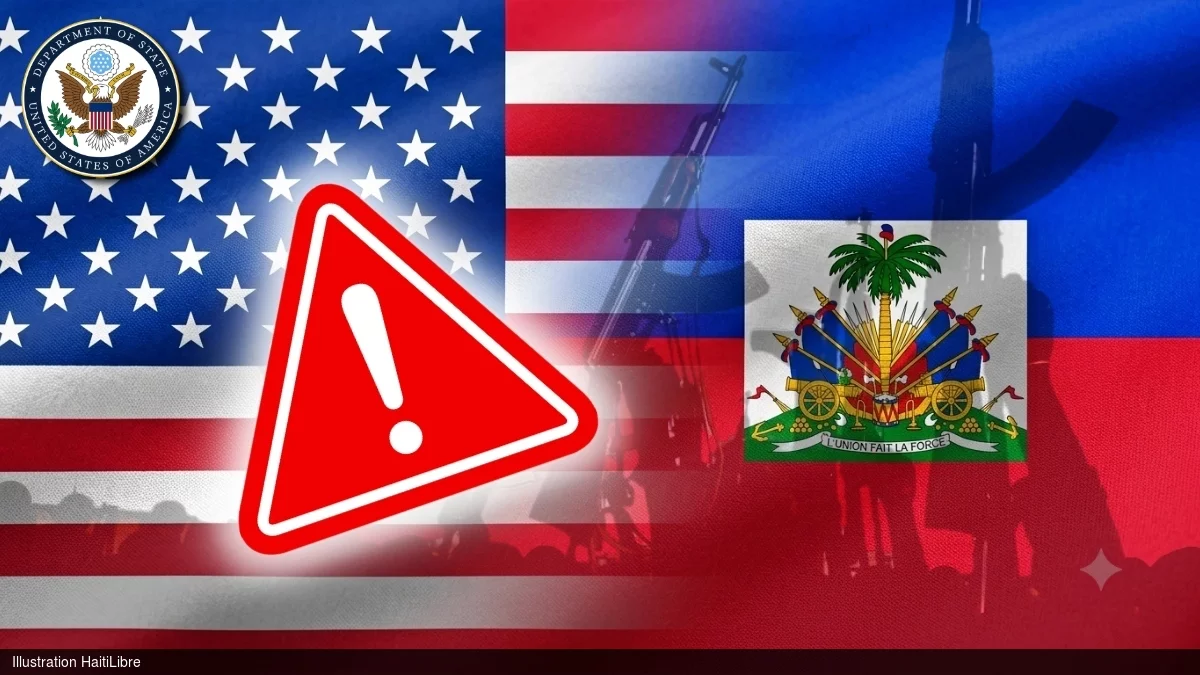
If you are a U.S. citizen and are considering traveling to Haiti, the Trump administration strongly advises against going, noting that Haiti is classified at the highest level #4 "do not travel". If you nevertheless decide to make the trip, the State Department issues a new, grim recommendation: "Leave DNA samples with your medical provider and dental records with your family in case it is necessary for your family to access them to identify your remains" The other recommendations are : • Enroll in the State Department's Smart Traveler Enrollment Program (STEP). • Develop a communication plan with your loved ones. Make sure you have a phone or other smart device(s) that will work in your destination. Use your device to share your location with your trusted friends and family while you are abroad. • Share important documents, logins, and contacts with loved ones before you travel. They will need them if you cannot return to the United States as planned. • Discuss a plan with loved ones about care and custody of children and property. Draft a will and name appropriate insurance beneficiaries and power of attorney. • Make a personal security plan with your employer or host organization. You may want to consider consulting a professional security organization. • Identify key sources that may be able to help in case of an emergency. These may include the nearest U.S. Embassy or Consulate, the FBI, and the State Department’s Office of American Citizen Services. They may also include your employer and local friends and family in the high-risk area. • Appoint one family member to serve as the point of contact if you are taken hostage or detained. Set up a proof-of-life protocol. If you become a hostage, that person will know what questions to ask and answers to expect. This will help them be sure that you are alive. • Leave DNA samples with your medical provider and dental records with your family in case it is necessary for your family to access them to identify your remains. • Erase sensitive photos, comments, or other materials from your social media pages. Do the same for your cameras, laptops, and other devices. The materials could be seen as controversial or provocative by local groups. Leave your expensive or sentimental belongings behind. Make sure your U.S. passport and any other critical documents have not expired. S/ HaitiLibre
|
|




|
|
Why HaitiLibre ? |
Contact us |
Français
Copyright © 2010 - 2026 Haitilibre.com |