
|
|
||||||||||||||||||


| 2026-2027 Electoral Calendar, latest official version |

|
 |
|
|
|
|
|
|
|||||||
|
|
Haiti - Social : Eat less to send children to school
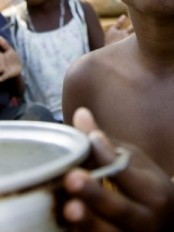
According to a study of the National Coordination for Food Security (CNSA), it was recognized that, by choosing to send their children to school, poor families must reduce the quantity and quality of their food consumption. The National Food Security Survey (ENSA), conducted in May 2011, helped to generalize this fact to the whole country. According to results from this survey, households in food insecurity (moderate or severe) are for the most those whose the chiefs have no education level (40.61%) or, at least, have not completed primary school (30.63% ). This fact is mainly observed in rural areas where 41.2% of households are in food insecurity against only 18.4% in urban areas. At the level of metropolitan area and other urban areas of the country, over a third of households in food insecurity (36.5%) have their chief that have reached high school, but incomplete. A similar observation was also made about the level of wealth, as measured by the availability of durable goods in the household: nearly 4 on 10, whose chiefs are illiterate, belonging to the group of "poorest in durable goods." In addition, the number of children aged 6-14 that composes the households in situation of food insecurity at the national level, 78% on average can go regularly to school. For the remaining 22%, either they can not go to school regularly, or they do not go at all. At the departmental level, we must draw attention to the Artibonite where, on average, 1 in 5 children do not attend school on a regular basis. This report increases as we approach the rural areas. Meanwhile, education is the second source of expenditure, all wealth groups combined. Of the total of monthly expenses of the household, those allocated to education are on average between 6-10% depending on whether the household is very poor or more fortunate; they are on average two times higher in urban compared to rural areas. Transport, particularly in the metropolitan area, is also a source of significant expense for poor households after buying clothes, given that a large part of the transportation costs (spending money) is allocated to sending children to school. HL/ HaitiLibre
|
|






|
|
Why HaitiLibre ? |
Contact us |
Français
Copyright © 2010 - 2026 Haitilibre.com |